
Evolution has produced fish so unusual they look imaginary, yet every feature serves a purpose.
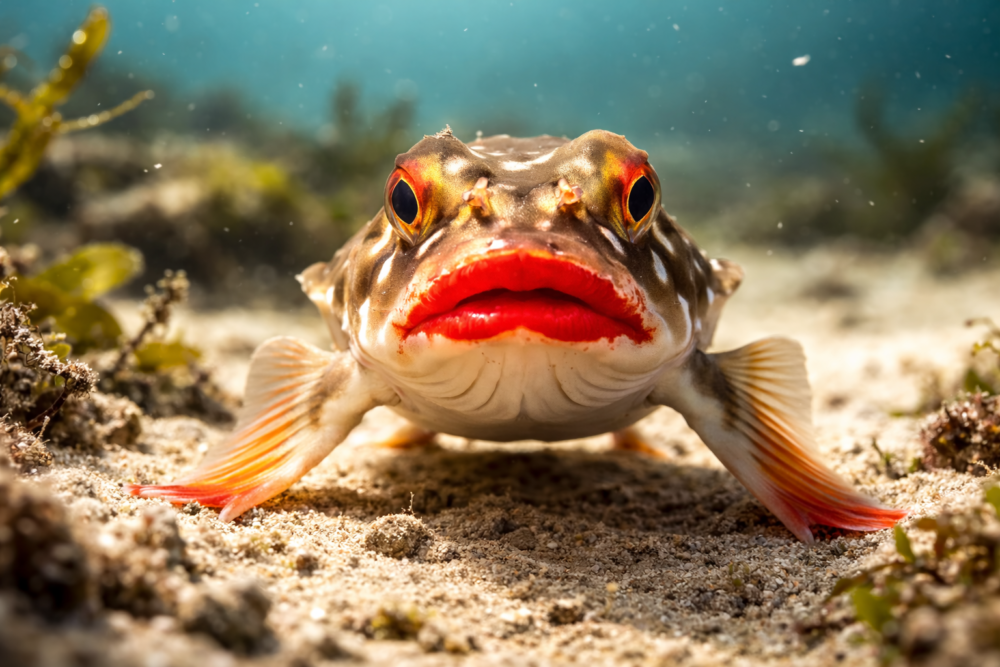
The ocean covers most of our planet, but much of it remains unseen and poorly understood. In those dark, high-pressure environments, evolution has followed paths that feel almost surreal to human eyes.
Over millions of years, fish adapted to extreme depths, limited food, and constant danger. The result is a lineup of species whose shapes, faces, and behaviors look shocking but make perfect sense in their world. Each of these fish survives not despite how it looks, but because of it.
1. The red-lipped batfish looks more like it’s walking than swimming
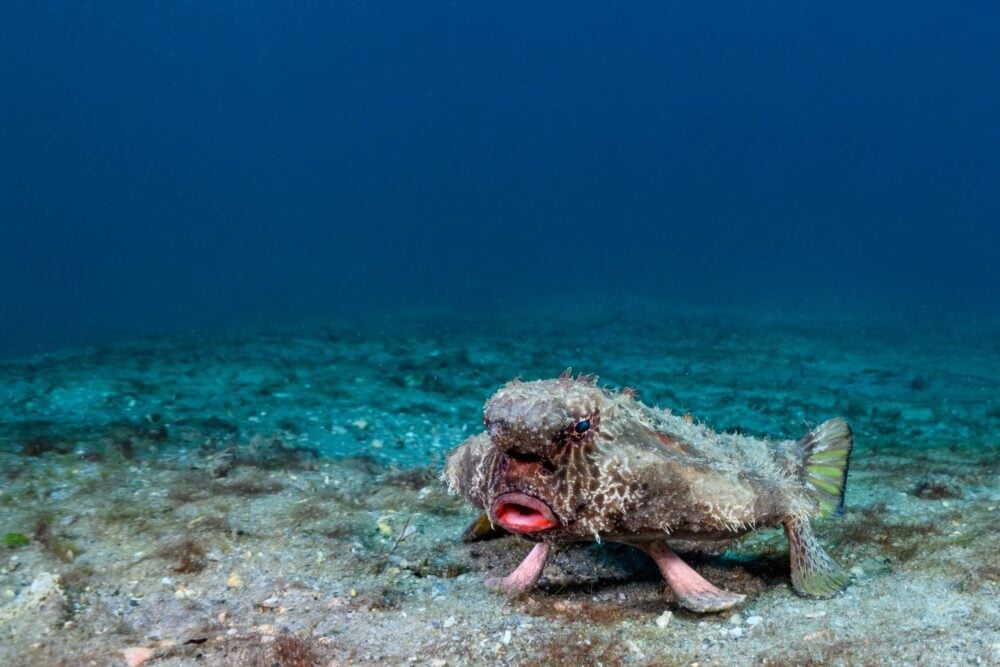
The red-lipped batfish stands out immediately thanks to its bright scarlet lips and awkward posture. Instead of swimming gracefully, it uses modified fins to crawl along the seafloor near the Galápagos Islands.
Those lips may help with communication or mate recognition, while a small lure on its head attracts prey. Living on the bottom means speed matters less than patience, and this fish is built to wait rather than chase.
2. The blobfish only looks melted when it’s far from home
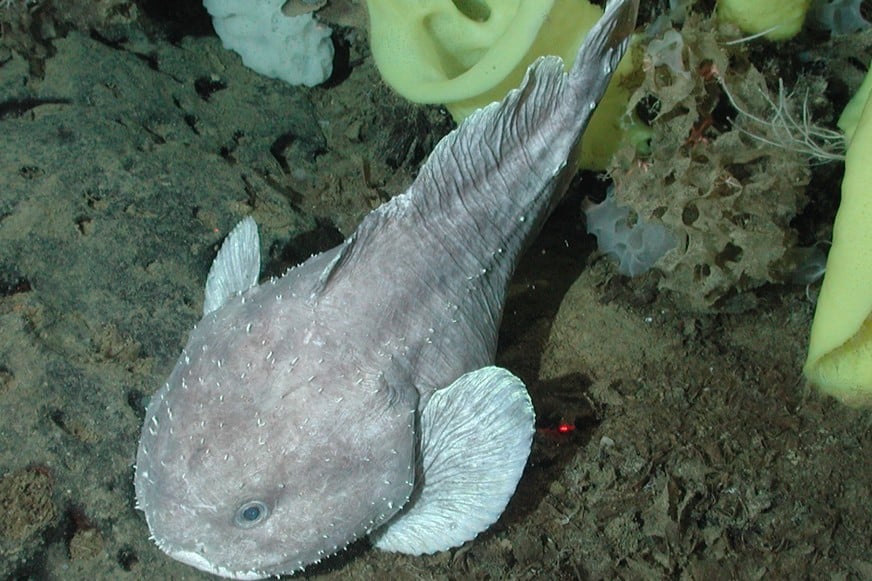
The blobfish became famous for its droopy, gelatinous face, but that appearance is misleading. In its natural deep-sea habitat, where pressure is intense, the fish looks far more structured and normal.
Its soft body lacks heavy bones or a swim bladder, allowing it to hover just above the seafloor with little effort. When brought to the surface, the sudden loss of pressure causes its tissues to sag, creating the strange look people recognize.
3. The anglerfish uses light in the darkest parts of the ocean
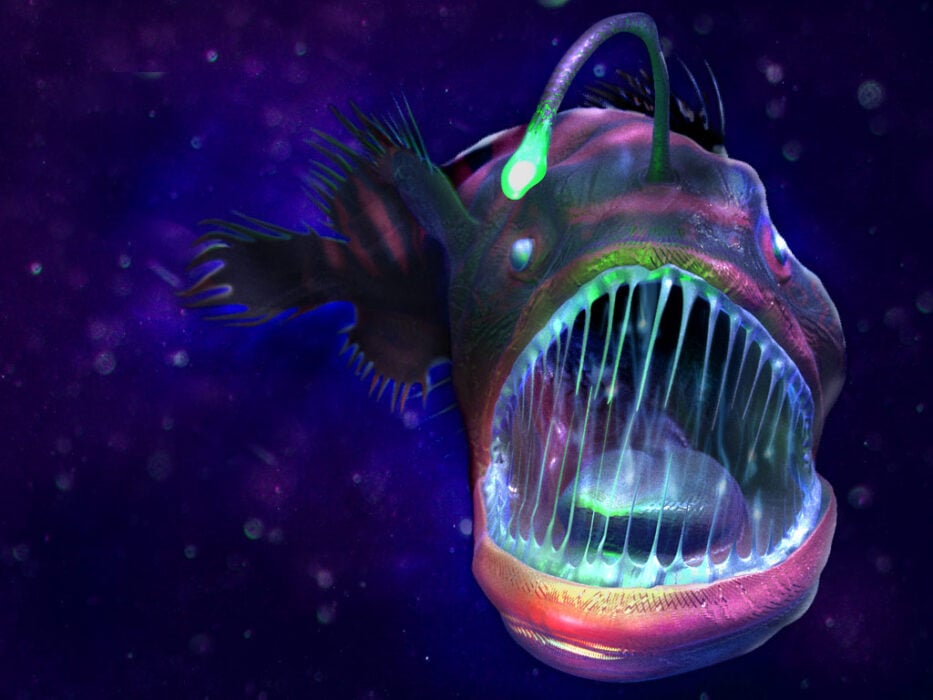
The anglerfish is known for the glowing lure that hangs in front of its mouth, acting like a fishing rod in total darkness. This bioluminescent light draws curious prey close enough to strike.
Many species also show extreme differences between males and females. In some cases, tiny males permanently attach to females. This unsettling strategy ensures reproduction in a place where finding another anglerfish is rare.
4. The goblin shark looks ancient because it basically is
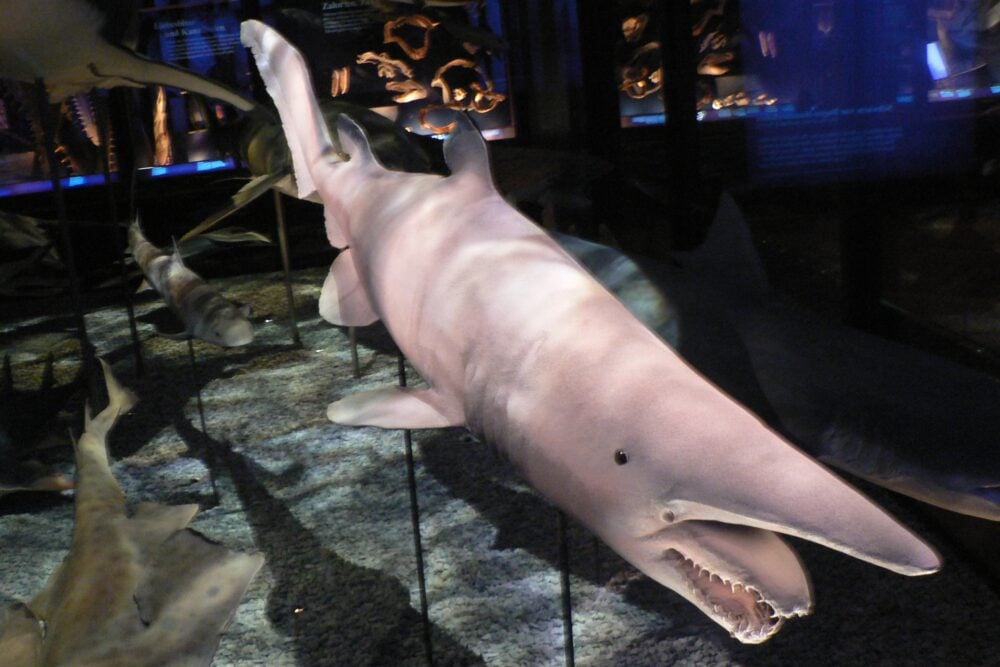
With its long snout and protruding jaws, the goblin shark appears almost prehistoric. Scientists often describe it as a living fossil because its basic features have changed little over millions of years.
Its jaw can shoot forward rapidly to grab prey, an advantage in deep water where meals are scarce. The shark’s pale pink color comes from blood vessels visible beneath translucent skin, adding to its eerie appearance.
5. The leafy seadragon survives by pretending to be seaweed
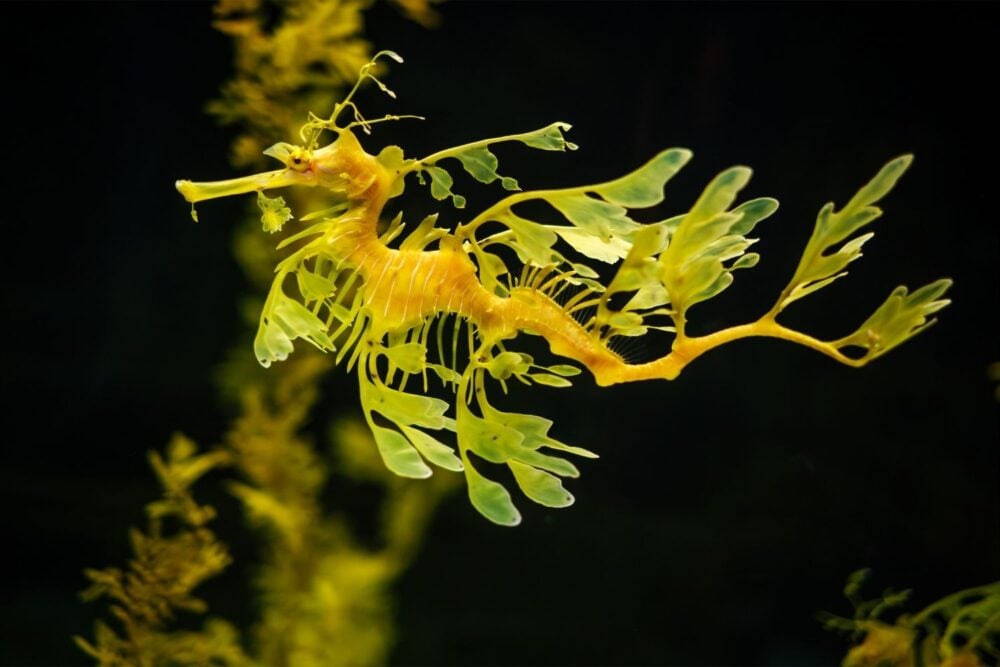
The leafy seadragon doesn’t look like a fish so much as a drifting plant. Leaf-shaped appendages help it blend seamlessly into kelp forests off the coast of Australia.
It is not a strong swimmer and relies on camouflage rather than speed. Predators often overlook it completely, proving that looking strange can be one of the most effective survival tools in the ocean.
6. The barreleye fish sees the world through a transparent head
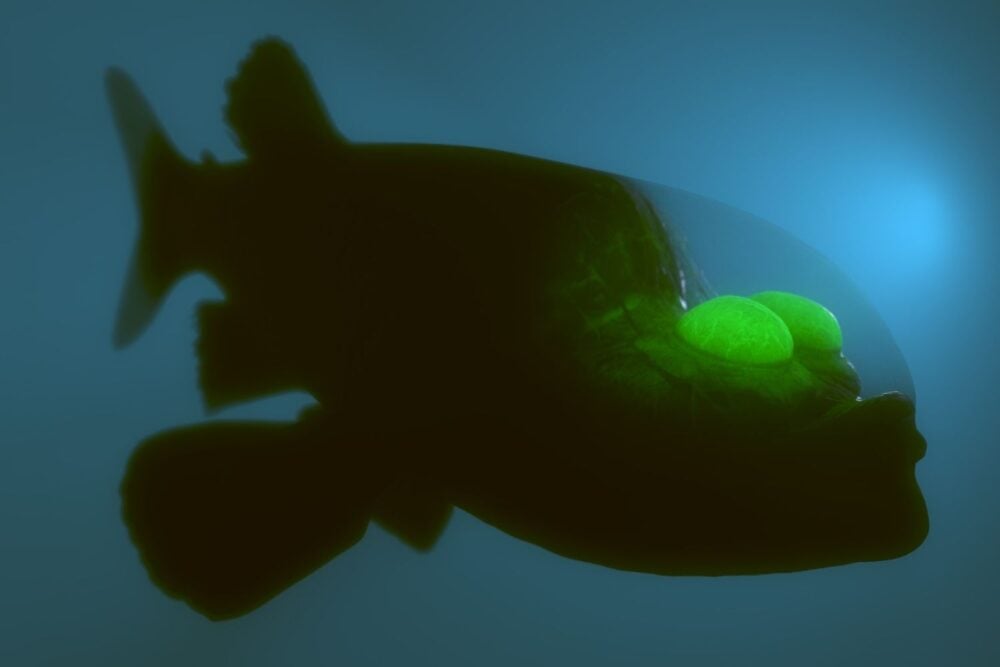
The barreleye fish has one of the strangest adaptations in the sea, a clear, dome-like head that reveals its eyes inside. Those eyes can rotate to look straight up or forward.
This lets the fish spot prey silhouetted against faint surface light while still swimming horizontally. Once food is detected, the eyes rotate forward for feeding, turning an alien appearance into a smart visual solution.
7. The oarfish inspired sea monster legends for centuries
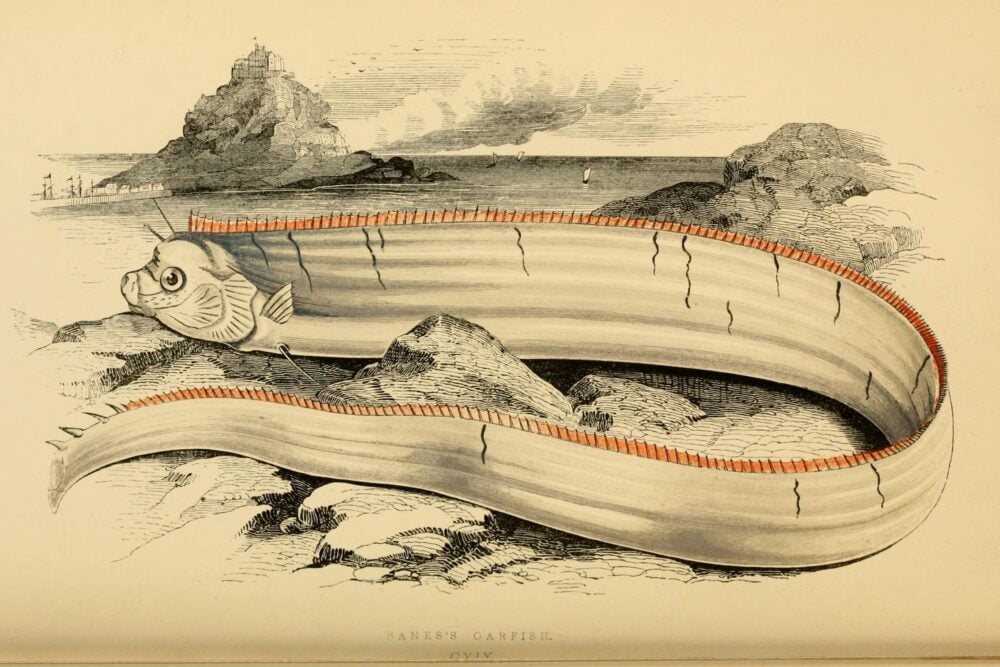
The oarfish is the longest bony fish on Earth, sometimes growing longer than a school bus. Its ribbon-like body and bright red fin likely fueled ancient stories of sea serpents.
Oarfish live deep below the surface and are rarely seen alive. When they appear near shore, they are often sick or injured, which adds to their mysterious reputation.
8. The frogfish hides in plain sight as a living lump
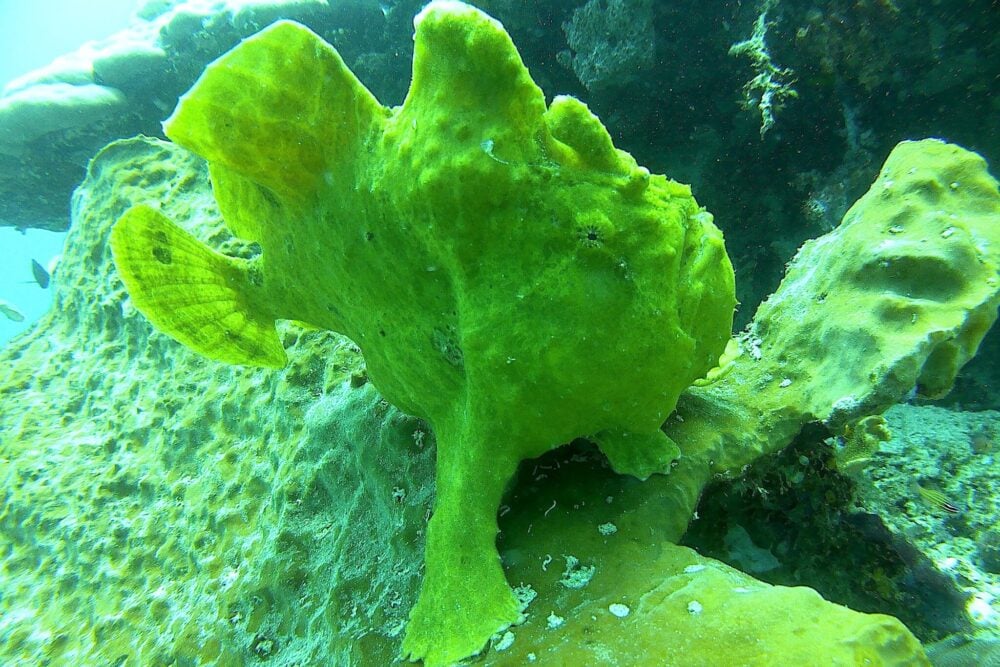
The frogfish looks less like a fish and more like a sponge, rock, or coral fragment. Its textured skin and odd colors help it disappear into reef environments.
Like anglerfish, it uses a lure to attract prey. Frogfish can strike with astonishing speed, opening their mouths so fast they create suction that pulls prey inside almost instantly.
9. The viperfish survives the deep sea with teeth that never fit
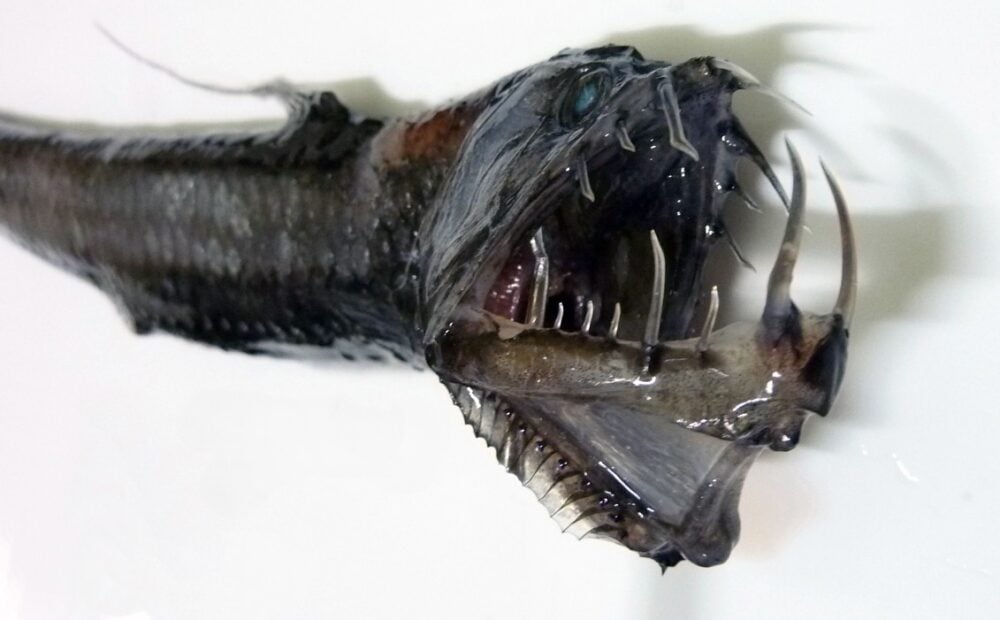
The viperfish has enormous fangs that extend beyond its mouth, creating a permanently menacing grin. These teeth help it grab prey in the deep sea, where opportunities are unpredictable and fleeting.
Bioluminescent organs help attract victims, and its flexible jaws allow it to swallow animals nearly as large as itself. That combination of light, teeth, and stretch makes it a highly efficient deep-water hunter.
10. The coffinfish relies on toxins instead of speed
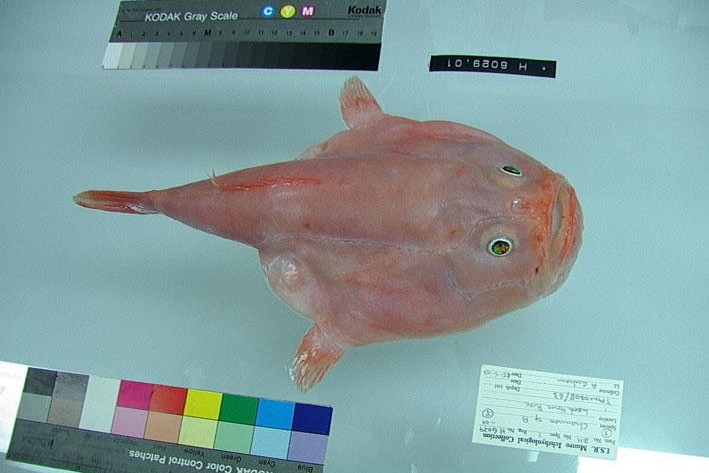
The coffinfish looks stiff and boxy, more like a moving stone than a fish. It lives on the seafloor and moves slowly, conserving energy in an environment where food can be scarce.
Instead of chasing prey, it relies on camouflage and chemical defenses. Coffinfish can release toxic substances through their skin, discouraging predators and allowing them to survive without agility or speed.