
New research shows natural selection is actively reshaping human biology in one of Earth’s most extreme environments.

When people say humans have stopped evolving, the Tibetan Plateau is a strong rebuttal. At elevations above about 3,500 meters, the air holds far less oxygen, yet many Tibetans live, work, and raise families there. Researchers have now linked specific oxygen delivery traits to how many children women had over a lifetime, one of the clearest ways to spot natural selection at work.
The twist is that the winners are not the people with the thickest, most oxygen packed blood. Instead, the best outcomes show up in women whose bodies move oxygen efficiently without overloading the heart. It is a reminder that evolution does not just push traits to extremes. It fine tunes them, even today.
1. The plateau turns breathing into a daily survival puzzle

Thin air is a brutal biology test. Up high, every breath delivers less oxygen, so newcomers often deal with headaches, poor sleep, and constant shortness of breath. For families who have lived on the plateau for thousands of years, the question becomes which traits quietly helped people survive, stay healthy, and raise children over many generations.
That is where evolution in real time comes in. If certain body traits are linked to having more surviving children, those traits tend to become more common over time. That slow, steady shift is natural selection, even if it happens quietly within ordinary lives.
2. Researchers followed the clues in Tibetan women’s real lives
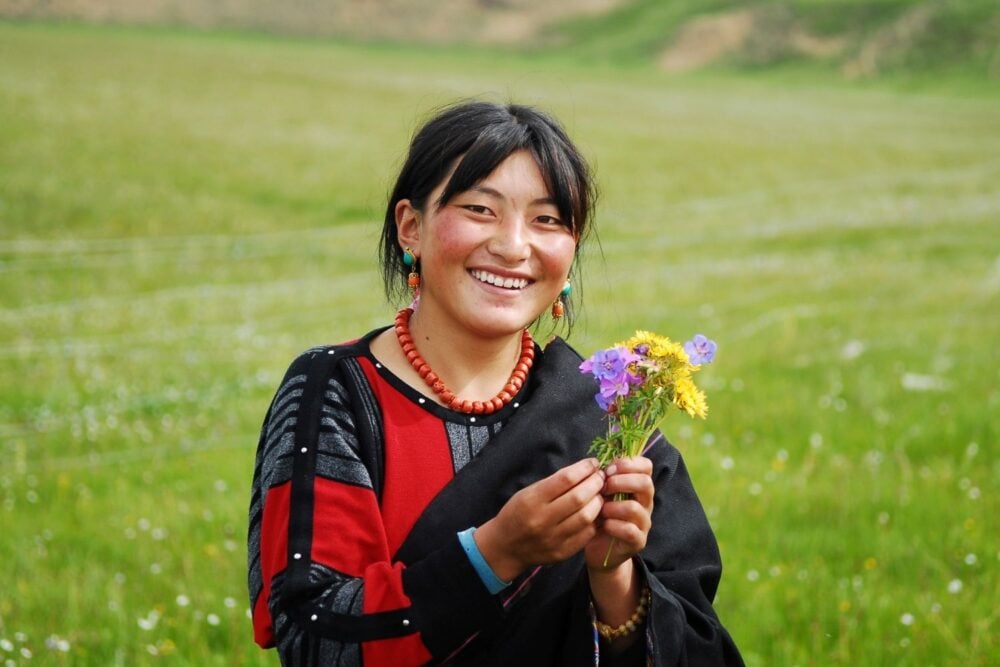
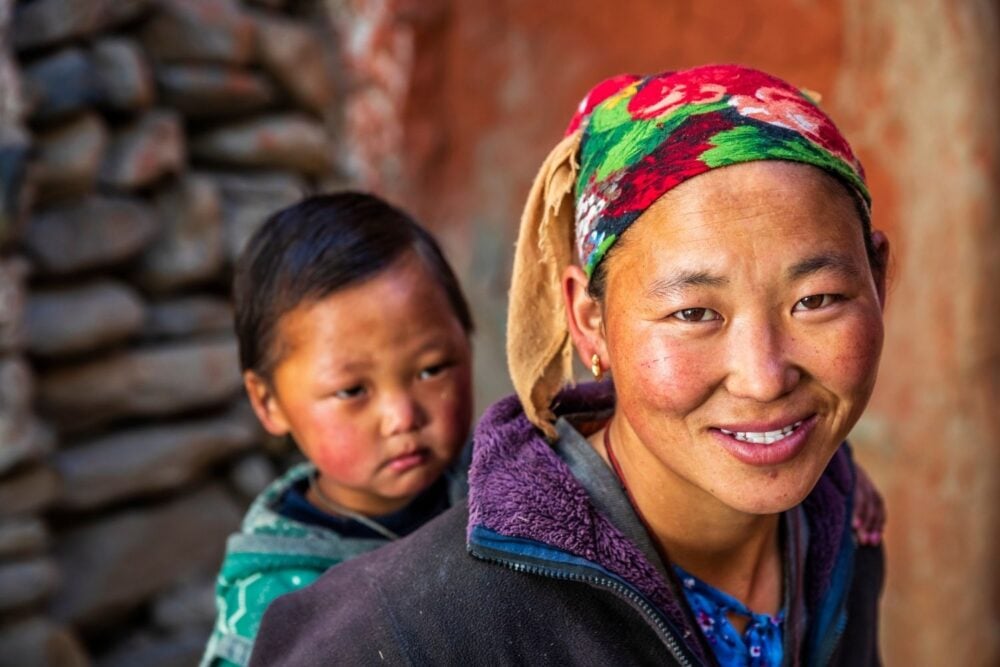
To study this, researchers focused on ethnic Tibetan women living at very high altitude in Nepal’s Upper Mustang region. They were not hunting for one miracle gene. Instead, they measured many traits tied to oxygen delivery, including blood oxygen levels, hemoglobin concentration, heart structure, blood flow, and how the body responds to low oxygen.
They then compared those measurements with lifetime reproductive success, counted as the number of live births. This approach links biology directly to real world outcomes, which is rare in studies of human evolution.
3. The biggest families shared a surprising oxygen balance
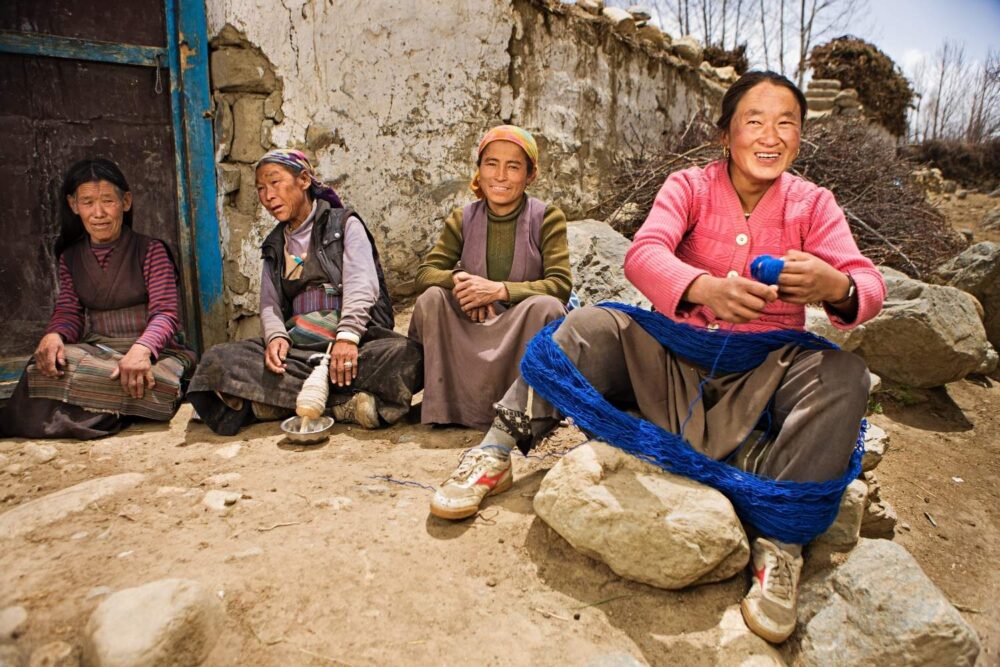
One of the most striking findings was that women with the most live births tended to deliver oxygen more efficiently. They often had higher blood oxygen saturation paired with hemoglobin levels close to the population average, not extreme highs.
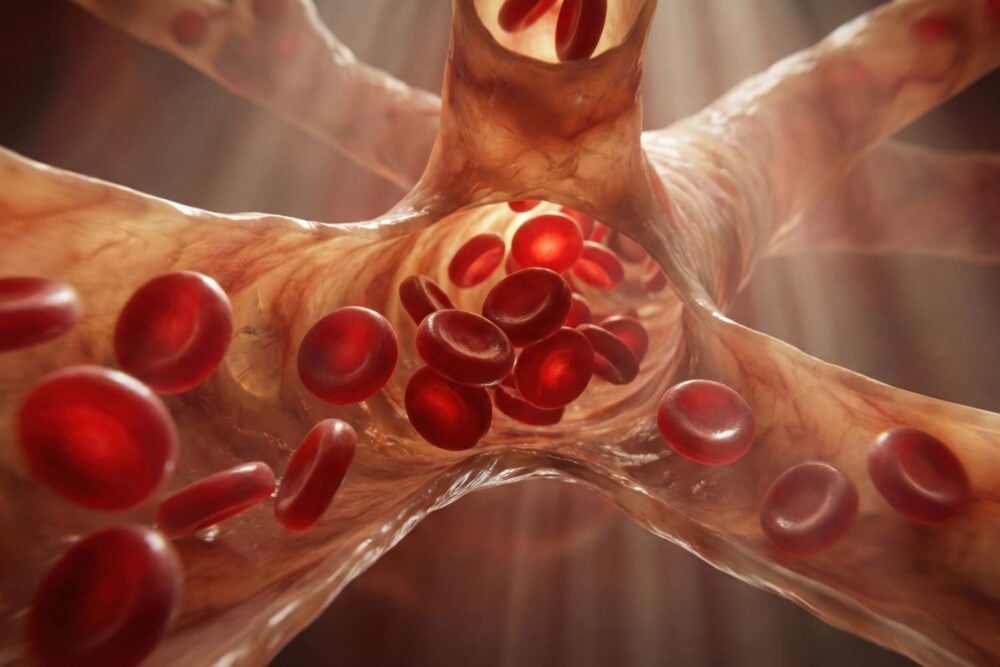
That balance matters because very high hemoglobin can thicken the blood and make the heart work harder. Over decades of physical labor and repeated pregnancies, that extra strain can take a toll. The advantage seems to lie in moving oxygen well while keeping the cardiovascular system from being overworked.
4. It was not one trait but a whole delivery system
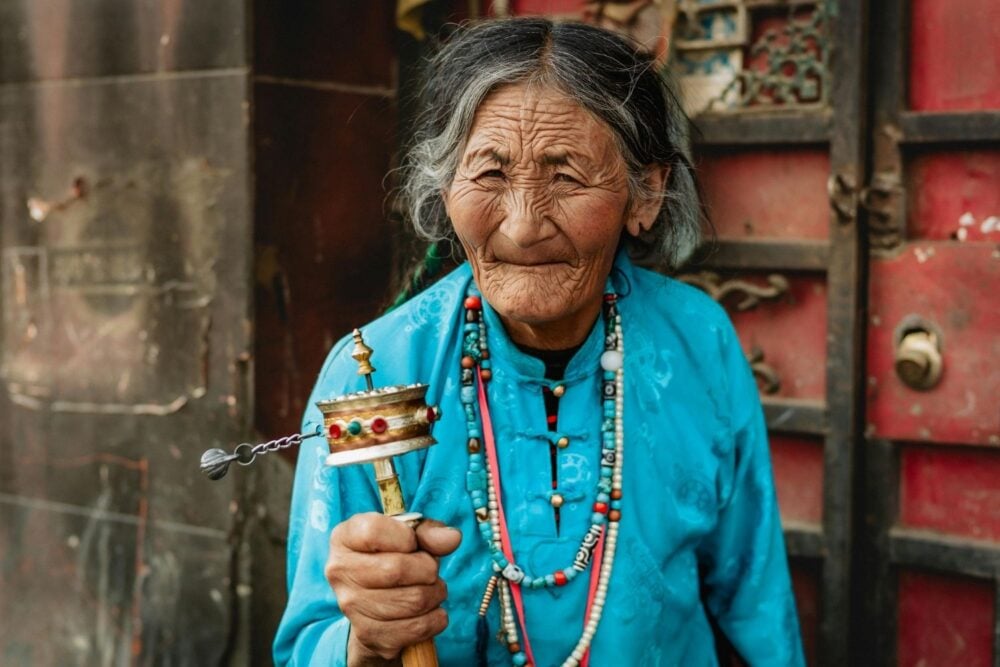
Better oxygen delivery was not about a single measurement. Women with higher reproductive success often showed a combination of traits, including strong blood flow through the lungs and hearts shaped to pump blood efficiently. In particular, wider left ventricles helped move oxygen rich blood through the body with less effort.
It is like upgrading the entire delivery network rather than stuffing more cargo into one truck. That system level advantage supports daily work, cold temperatures, and pregnancy without pushing the heart to its limits year after year.
5. Why too much hemoglobin can become a problem
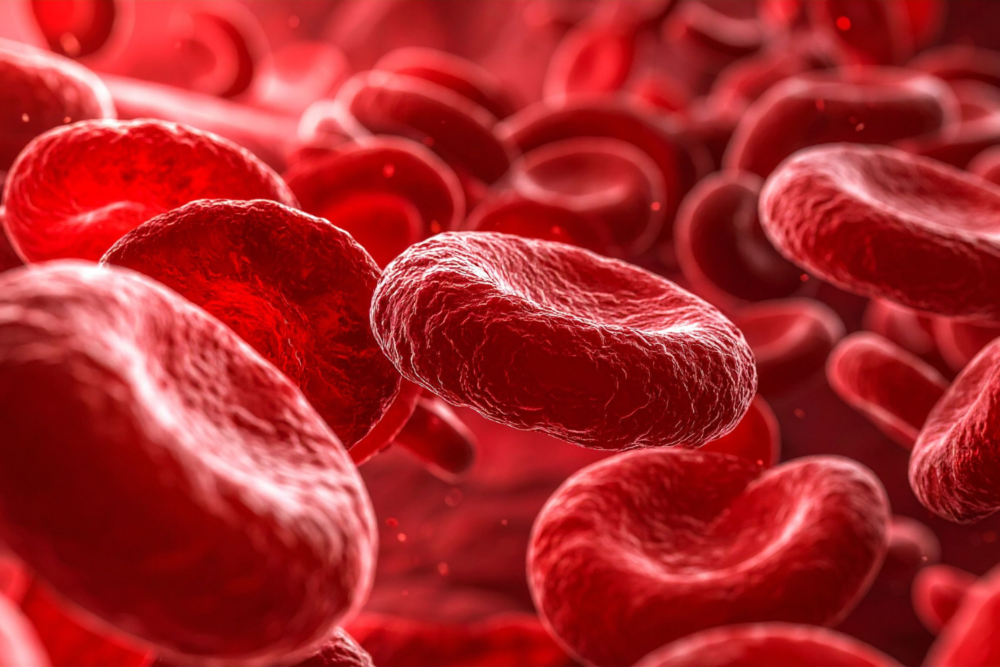
For years, people assumed that more hemoglobin was always better at high altitude. This research shows that idea is too simple. While hemoglobin carries oxygen, too much of it thickens the blood, raising blood pressure and increasing cardiovascular stress.
The patterns in this study suggest natural selection favors a middle range hemoglobin level rather than extremes. The goal is not maximum oxygen at any cost, but enough oxygen delivered safely over a lifetime, especially during the physical demands of pregnancy and work.
6. The genes involved are well known to scientists

Some of these traits trace back to genes involved in how the body senses and responds to low oxygen. Variants near genes like EPAS1 and EGLN1 have long been linked to high altitude adaptation in Tibetan populations, particularly in how hemoglobin levels are regulated.
One well known detail is that part of the EPAS1 genetic variant appears to come from Denisovan related ancestry. Over time, that inherited variation proved useful in thin air and became more common through natural selection.
7. This is what ongoing natural selection looks like

The reason scientists describe this as humans still evolving is simple. The traits measured were not just present, they were linked to reproductive advantage. Women whose bodies stayed closer to unstressed oxygen function while maintaining high saturation had more children over their lifetimes.
If these traits are heritable, and many oxygen related traits are, they can increase in frequency in the next generation. That is evolution working through everyday lives rather than dramatic changes anyone would notice year to year.
8. Social factors mattered but biology still stood out
Family size is shaped by more than physiology. The researchers also accounted for factors like age at first birth and years of marriage, which naturally influence how many children someone has.
Even with those real life factors included, oxygen delivery traits still showed a clear relationship with reproductive success. It is a reminder that evolution works within the realities of culture, family, and daily life, not apart from them.
9. Different mountain peoples evolved different solutions
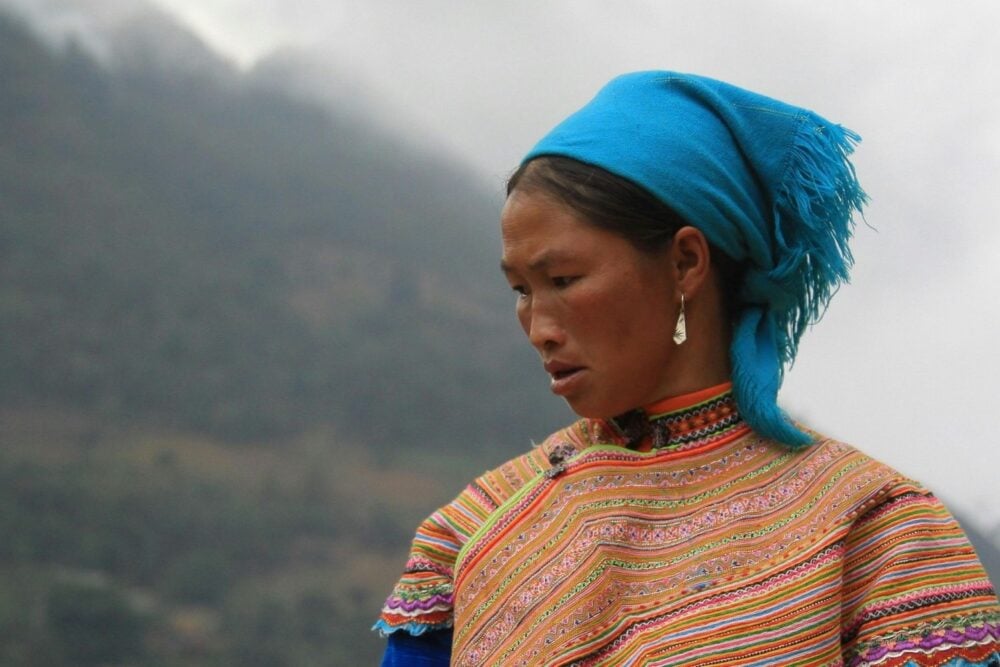
Tibetans are not the only people living at high altitude. In the Andes, for example, higher hemoglobin levels are more common. Tibetan populations often rely on different strategies, including changes in breathing, blood flow, and oxygen sensing.
This shows that evolution does not follow a single path. Different populations can arrive at different solutions to the same problem depending on their history, genetics, and how long they have lived in extreme environments.
10. There are medical lessons hidden in the data
These findings are not just about human history. They also have medical implications. Understanding how some bodies deliver oxygen efficiently could help researchers better understand altitude sickness, pregnancy complications at altitude, and conditions related to long term low oxygen exposure.
One clear lesson is that more hemoglobin is not always better. Protecting the heart while maintaining oxygen delivery may be the key to long term health in hypoxic environments.
11. The bigger takeaway is simple and striking
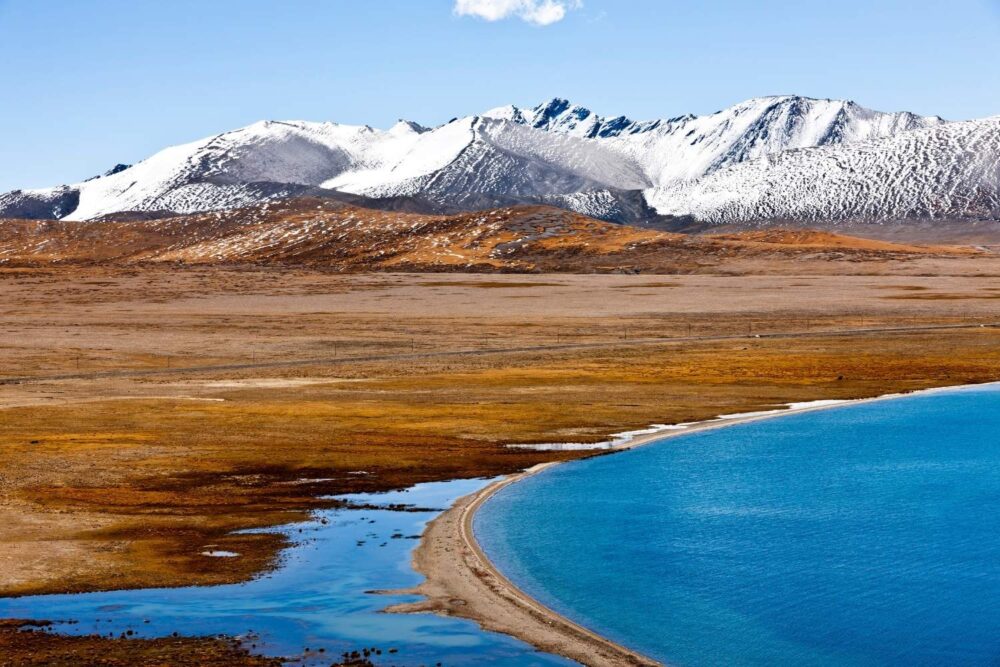
It is easy to think of evolution as something finished long ago, but the Tibetan Plateau tells a different story. When an environment consistently challenges the body, even small advantages can shape who thrives across generations.
The point is not that one group is more evolved than another. It is that humans remain flexible, and our biology continues responding to the environments we live in. Evolution is not over. In some places, we can watch it happening right now.